Featured
Navigating the Benefits And Drawbacks of Financial Obliga...
Mastering Monthly Expenses During the 2026 Budget plan Cycle

Why Regional Debt Programs are Gaining Popularity
Table of Contents
New Reporting Standards Shape the 2026 Financial Environment
The 2026 financial year has introduced a series of shifts in how consumer information is gathered and reported to the 3 significant bureaus. These changes, driven by the 2026 Credit Openness Act, concentrate on increasing the accuracy of files while offering consumers with more control over their individual information. One of the most considerable updates involves the treatment of medical financial obligation. Since early 2026, a lot of paid medical collections have been cleaned from reports totally, and unsettled medical debts under a particular dollar threshold are no longer allowed to appear on consumer files. This shift has actually offered instant relief to countless individuals in the local market, enabling their ratings to show their present creditworthiness instead of previous health crises.
Another major modification in 2026 issues the combination of buy-now-pay-later (BNPL) data. For several years, these short-term installment loans operated in a gray location, often going unreported unless a customer defaulted. New 2026 guidelines now need these service providers to report both positive and negative payment history to the bureaus. While this adds a layer of intricacy to monthly tracking, it offers a method for those with thin credit files to construct history through small, workable purchases. For locals of the surrounding region, understanding how these regular micro-loans impact a debt-to-income ratio is now a foundation of modern-day financial management.
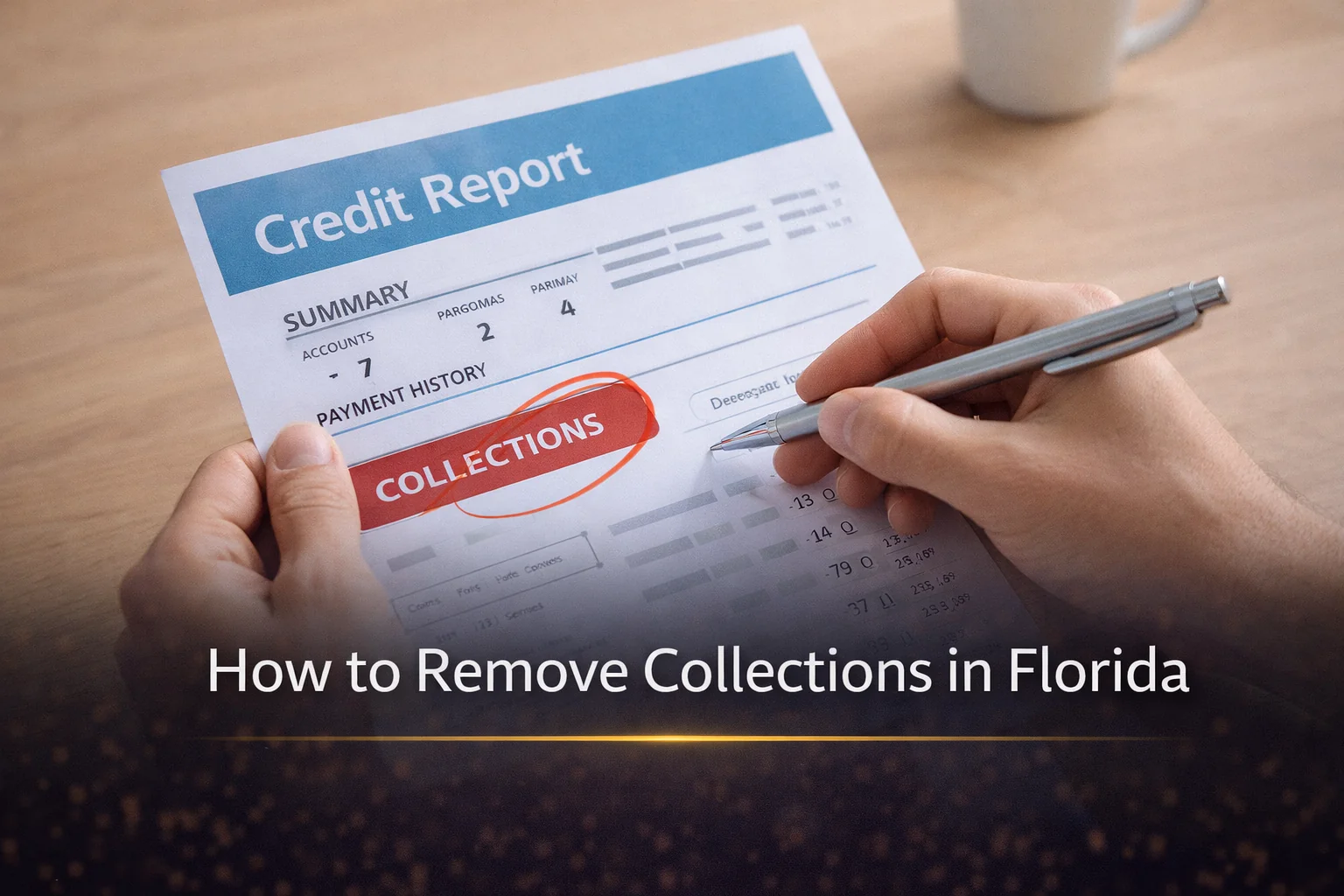
Current improvements in Credit Counseling recommend that reporting accuracy is the primary motorist of rating recovery in the current economy. Errors on credit reports stay a persistent concern, but the 2026 laws mandate a faster conflict resolution process. Creditors must now supply concrete proof of a financial obligation within fifteen days of a conflict, or the item should be removed. This puts the burden of proof directly on the loan providers, providing consumers in the United States a more powerful position when challenging outdated or incorrect entries.
Restoring Credit in a High-Interest 2026 Economy
Restoring a credit profile in 2026 requires a different method than in previous years. Rate of interest have remained stubbornly high, making the expense of carrying a balance more expensive than ever. Financial consultants suggest that the most effective way to enhance a score now is through a mix of prompt payments and aggressive utilization decrease. In the domestic market, many individuals are turning to protected cards that use graduated courses to unsecured lines of credit. These tools are especially beneficial for those recovering from personal bankruptcy or extended periods of monetary instability.
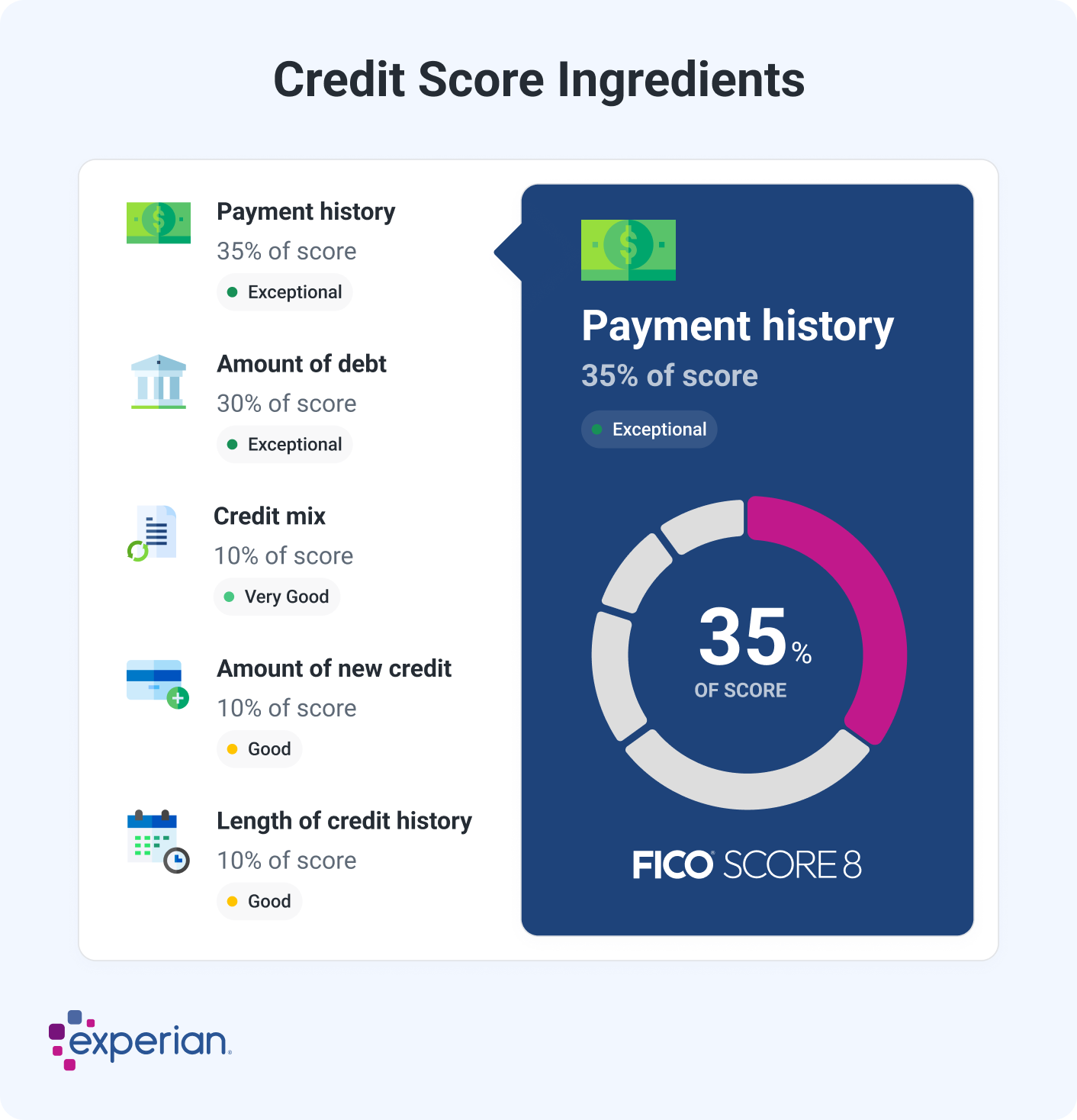
Nonprofit credit therapy agencies have seen a surge in demand as people browse these brand-new rules. These companies, frequently 501(c)(3) entities authorized by the Department of Justice, provide a neutral area for consumers to examine their choices. Specialists who provide Nonprofit Credit Counseling Services highlight the need of combining high-interest responsibilities. A financial obligation management program can be a lifeline in this environment, as it typically includes negotiating with creditors to lower interest rates and integrate several month-to-month costs into a single payment. This structured technique helps guarantee that no payments are missed, which is the single most important factor in the 2026 credit history models.
For those residing in the local area, local community groups and banks often partner with national nonprofits to use workshops on these 2026 policies. Education is the very first line of defense against predatory financing practices that tend to proliferate when traditional credit ends up being more difficult to access. Learning how to check out a 2026 credit disclosure kind is now thought about a fundamental life ability, comparable to standard tax preparation or home maintenance.
Mastering Personal Budgeting Amidst 2026 Inflation
Budgeting in 2026 is no longer about just tracking expenses-- it has to do with managing cash circulation against unstable costs of living. Energy costs and real estate expenses in the local region have required lots of homes to adopt "zero-based budgeting," where every dollar is designated a particular job before the month starts. This technique avoids the "lifestyle creep" that can occur when little, recurring digital memberships go unnoticed. Professionals recommend using automated tools to sweep remaining funds into high-yield savings accounts or towards high-interest debt at the end of every pay cycle.
House owners and potential purchasers are also dealing with unique obstacles. HUD-approved housing therapy has actually ended up being a vital resource for those trying to enter the marketplace or remain in their homes. These therapists assist individuals comprehend the long-lasting ramifications of 2026 home mortgage products, a few of which feature flexible payment structures that can be dangerous without proper assistance. Property owners often look for Debt Consolidation in Baltimore to guarantee their home loan stays inexpensive under new 2026 rates of interest caps and home tax modifications.
The mental element of budgeting is likewise gaining attention in 2026. Financial tension is a leading reason for health problems, and lots of counseling programs now consist of "financial wellness" parts. These programs teach consumers how to separate their self-regard from their credit report, focusing rather on sustainable routines and long-term objectives. In your community, numerous independent affiliates of larger counseling networks use these services totally free or at extremely low expense, guaranteeing that even those in deep financial distress have access to expert aid.
Algorithmic Transparency and the Future of Loaning
As we move through 2026, using synthetic intelligence in lending choices has come under intense analysis. New federal guidelines require loan providers to be transparent about the "alternative information" they use to determine creditworthiness. This may include lease payments, utility expenses, and even constant savings patterns. For a customer in the United States, this means that non-traditional financial behaviors can lastly operate in their favor. However, it also indicates that a single missed out on electrical expense might have a more noticable result on a score than it did five years ago.
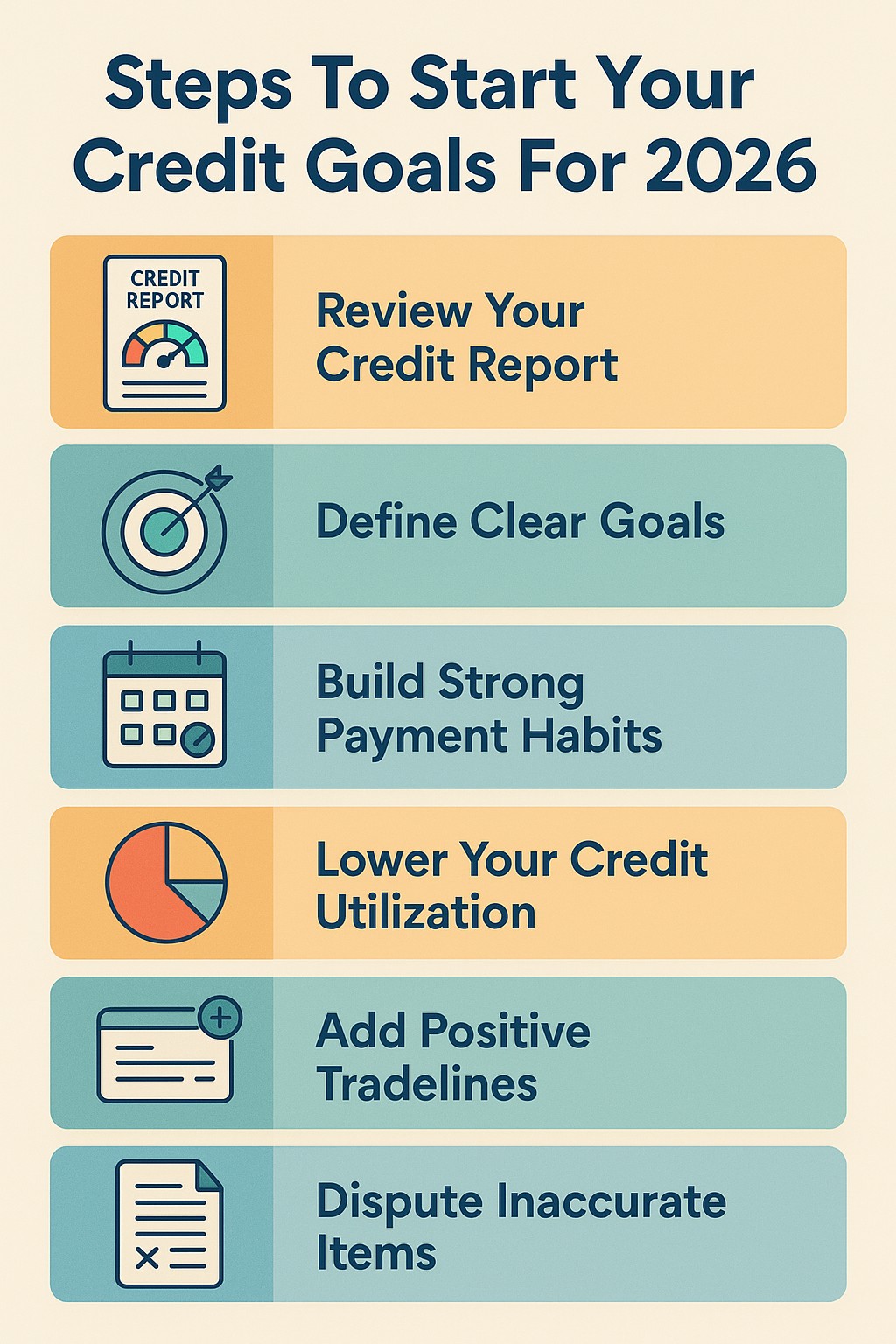
The 2026 economy rewards those who are proactive. Examining credit reports a minimum of once a quarter has actually ended up being the suggested frequency, as the speed of data reporting has increased. Most customers now have access to real-time alerts through their banking apps, which can flag suspicious activity or unexpected score drops instantly. Taking advantage of these technological tools, while keeping a relationship with a trusted nonprofit counselor, offers a well balanced method to monetary health.

Community-based monetary literacy remains the most effective way to guarantee long-lasting stability. Whether it is through a debt management program or a simple individually session with a qualified counselor, the goal is the exact same: to move from a state of monetary defense to one of financial offense. By understanding the 2026 regulations and mastering the art of the modern spending plan, individuals in the local area can secure their properties and develop a more secure future regardless of broader financial changes.

Table of Contents
Latest Posts
Why Regional Debt Programs are Gaining Popularity
Navigating the Benefits And Drawbacks of Financial Obligation Relief Programs
Mastering Monthly Expenses During the 2026 Budget plan Cycle
More
Latest Posts
Why Regional Debt Programs are Gaining Popularity
Navigating the Benefits And Drawbacks of Financial Obligation Relief Programs
Mastering Monthly Expenses During the 2026 Budget plan Cycle